Le Domaine
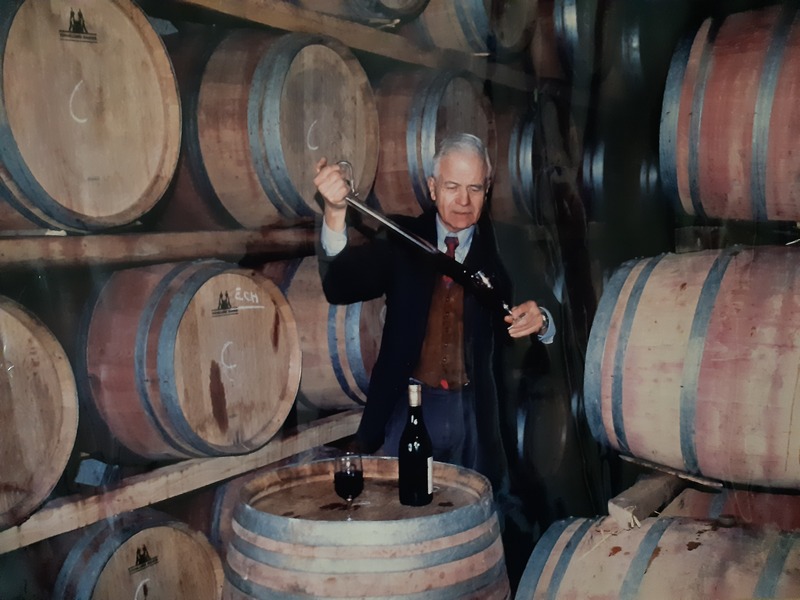
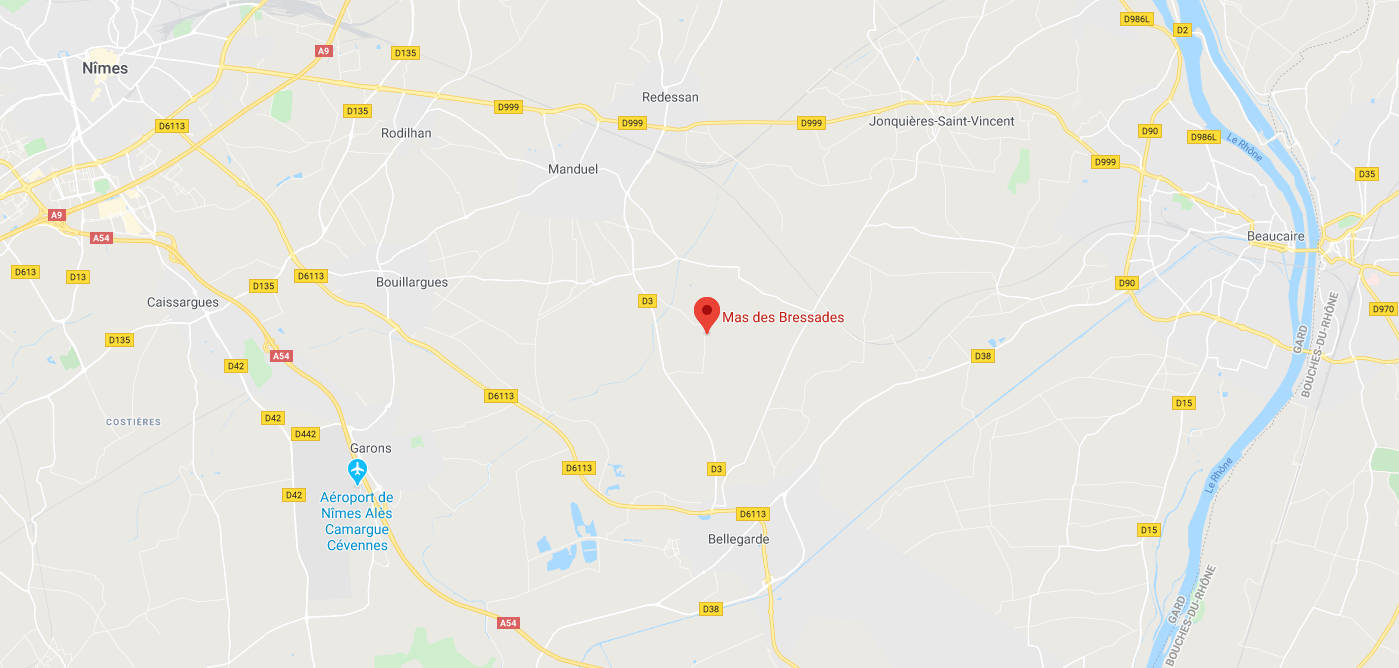
Fondé par Roger Marès dans les années 1960, le Mas des Bressades est situé dans les Costières de Nîmes,
au Sud de la vallée du Rhône.
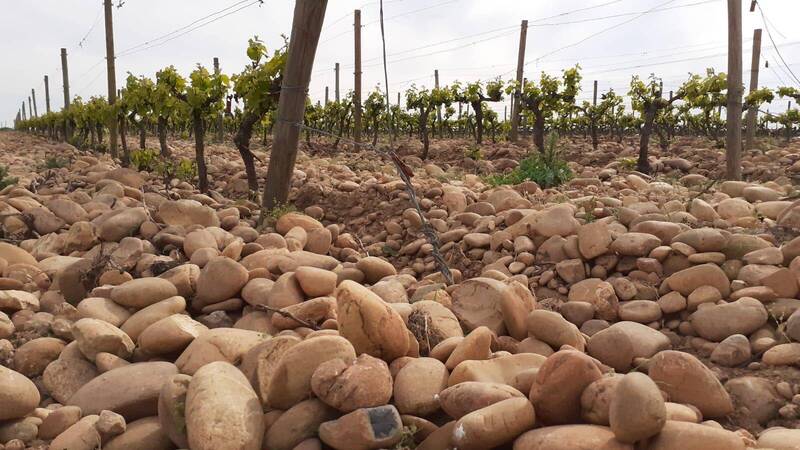
Il s’étend à travers 45 hectares au nord de la Camargue, où les vignes sont plantées à 70 mètres d'altitude,
sur des galets roulés par le Rhône.
Bressades vient du patois provençal et veut dire bercer, car on y est très souvent bercé, voir brassé par le Mistral.
Alors que depuis longtemps le domaine était cultivé dans le respect de la nature et des sols, en 2017 Cyril Marès a demandé la certification en agriculture biologique. Après trois ans de conversion, celle-ci est désormais officielle.
Bressades vient du patois provençal et veut dire bercer, car on y est très souvent bercé, voir brassé par le Mistral.
Alors que depuis longtemps le domaine était cultivé dans le respect de la nature et des sols, en 2017 Cyril Marès a demandé la certification en agriculture biologique. Après trois ans de conversion, celle-ci est désormais officielle.
Le Vigneron
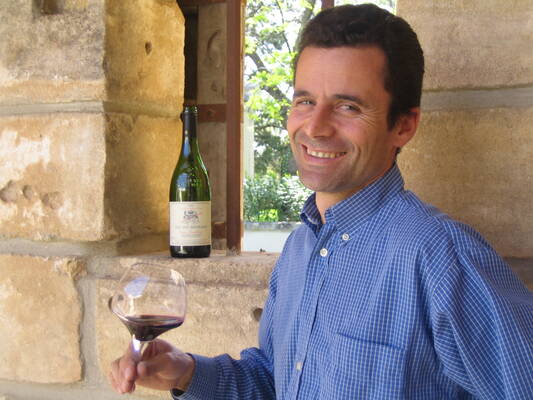
Cyril a toujours vécu entre les vignes et les vergers de son père Roger Marès.
Après des études d'agronomie et de viticulture et Œnologie à Montpellier,
il est allé vinifier sur d'autres continents avant de reprendre le domaine.
D'abord aux USA à Chalone Vineyard en 1994, puis au Chili chez Bruno Prats propriétaire de Château Cos d'Estournelle et chez Paul Pontallier, gérant de Château Margaux. Ces deux vendanges ont été l'occasion d'un voyage autour du monde riche en aventures, rencontres et découvertes. Cyril est revenu sur les Costières de Nîmes au Mas des Bressades en 1996.
Revenu par passion du vin et pour le terroir du mas des Bressades, son objectif est de préserver au maximum le potentiel qualitatif du terroir dans le plus grand respect de la vigne et des sols. « Je recherche dans chaque vin l'harmonie entre les différentes origines et composantes du vin afin que chacun ressente en le buvant le plaisir que j'ai eu à le faire. »
D'abord aux USA à Chalone Vineyard en 1994, puis au Chili chez Bruno Prats propriétaire de Château Cos d'Estournelle et chez Paul Pontallier, gérant de Château Margaux. Ces deux vendanges ont été l'occasion d'un voyage autour du monde riche en aventures, rencontres et découvertes. Cyril est revenu sur les Costières de Nîmes au Mas des Bressades en 1996.
Revenu par passion du vin et pour le terroir du mas des Bressades, son objectif est de préserver au maximum le potentiel qualitatif du terroir dans le plus grand respect de la vigne et des sols. « Je recherche dans chaque vin l'harmonie entre les différentes origines et composantes du vin afin que chacun ressente en le buvant le plaisir que j'ai eu à le faire. »
Cyril Marès
Une passion de plus de sept générations
Depuis des siècles, faire du vin dans la famille Marès relève autant d'un art que d'une tradition familliale.
Cyril maintient, sur le domaine créé par Roger Marès en 1964, qui avait aussi créer avec son père Henri (1903-1994) un vignoble dans le Haut-Médoc. Et c'est en pionnier qu'il a appliqué en Costières les bonnes leçons girondines.
Cette tradition si brillamment illustrée par Henri Marès (1820-1901), ami de Pasteur et découvreur du traitement de l'oïdium, fléau des vignes, par le soufre et son frère Paul illustre botaniste qui s'établit en Algérie ou il ne put s'empêcher d'établir un vignoble. Leur père Etienne Marès (1780 - 1840) avait quitté le domaine familial dont s'occupait son père Pierre Marès (1758-1820) au bord de l'étang de Thau pour devenir négociant en vin et acquérir plus tard le Château de Launac près de Montpellier.
Cyril maintient, sur le domaine créé par Roger Marès en 1964, qui avait aussi créer avec son père Henri (1903-1994) un vignoble dans le Haut-Médoc. Et c'est en pionnier qu'il a appliqué en Costières les bonnes leçons girondines.
Cette tradition si brillamment illustrée par Henri Marès (1820-1901), ami de Pasteur et découvreur du traitement de l'oïdium, fléau des vignes, par le soufre et son frère Paul illustre botaniste qui s'établit en Algérie ou il ne put s'empêcher d'établir un vignoble. Leur père Etienne Marès (1780 - 1840) avait quitté le domaine familial dont s'occupait son père Pierre Marès (1758-1820) au bord de l'étang de Thau pour devenir négociant en vin et acquérir plus tard le Château de Launac près de Montpellier.